Understanding the Lasting Effects of Childhood Trauma on Adult Life
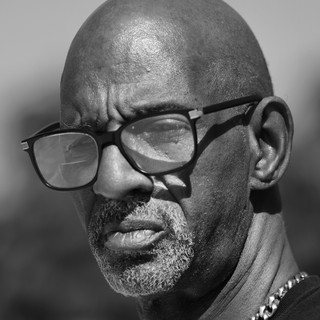
Childhood trauma shapes more than just early years. Its impact often extends into adulthood, influencing mental health, relationships, and overall well-being. Recognizing these effects helps adults understand their experiences and seek support for healing.

What Childhood Trauma Means
Childhood trauma refers to distressing events or experiences during early life that overwhelm a child’s ability to cope. These can include physical or emotional abuse, neglect, loss of a parent, or witnessing violence. Trauma disrupts a child’s sense of safety and trust, often leaving deep emotional scars.
Not all children respond the same way to trauma. Some may show immediate signs like anxiety or withdrawal, while others might seem unaffected at first but develop challenges later in life. The lasting effects depend on factors such as the trauma’s severity, duration, and the presence of supportive adults.
How Trauma Affects Brain Development
Trauma during childhood can alter brain development. The brain is highly adaptable but also vulnerable in early years. Stress hormones released during traumatic events can affect areas responsible for memory, emotional regulation, and decision-making.
For example, the amygdala, which processes fear, may become overactive, causing heightened anxiety or hypervigilance. The prefrontal cortex, which controls impulse and reasoning, might develop more slowly, leading to difficulties with self-control or planning. These changes can persist into adulthood, influencing behavior and emotional responses.
Emotional and Psychological Effects in Adulthood
Adults who experienced childhood trauma often face challenges such as:
Anxiety and depression: Persistent feelings of worry, sadness, or hopelessness.
Difficulty trusting others: Trauma can damage the ability to form secure relationships.
Low self-esteem: Negative self-image stemming from early experiences.
Post-Traumatic Stress Disorder (PTSD): Flashbacks, nightmares, and avoidance behaviors.
Emotional numbness or difficulty expressing feelings: A protective response to overwhelming emotions.
For instance, someone who grew up in an abusive household might struggle to maintain close relationships due to fear of betrayal or rejection. Others may turn to substance use as a way to cope with unresolved pain.
Impact on Relationships and Social Life
Childhood trauma can shape how adults relate to others. Trust issues may lead to isolation or unhealthy attachments. Some adults might become overly dependent on partners, while others avoid intimacy altogether.
Communication problems often arise because trauma survivors may find it hard to express needs or set boundaries. This can cause misunderstandings and conflict in friendships, family ties, and romantic relationships.
Physical Health Consequences
The effects of childhood trauma are not limited to mental health. Research shows a strong link between early trauma and chronic physical conditions such as:
Heart disease
Diabetes
Autoimmune disorders
Chronic pain
Stress from trauma can weaken the immune system and increase inflammation, contributing to these health problems. Adults with a history of trauma may also engage in risky behaviors like smoking or poor diet, further impacting their health.
Healing and Moving Forward
Recovery from childhood trauma is possible with the right support. Healing often involves:
Therapy: Approaches like cognitive-behavioral therapy (CBT), trauma-focused therapy, or EMDR can help process painful memories and develop coping skills.
Building safe relationships: Trusting connections with friends, family, or support groups provide emotional security.
Self-care practices: Mindfulness, exercise, and creative outlets promote emotional balance.
Education: Understanding trauma’s effects empowers individuals to recognize patterns and seek help.
For example, a person who experienced neglect might benefit from therapy that focuses on building self-worth and learning healthy relationship skills. Support groups can also offer a sense of belonging and shared experience.

Supporting Others with Childhood Trauma
If you know someone affected by childhood trauma, offering patience and understanding is key. Encourage them to seek professional help and listen without judgment. Avoid pushing for details or quick fixes, as healing takes time.
Creating environments where people feel safe and valued helps reduce the stigma around trauma. Simple acts like checking in regularly or sharing resources can make a meaningful difference.


Comments